%2Ffit-in%2F250x250%2Fguide_websites%2F17719%2Fimages%2F1722886772377logoccc.png&w=1920&q=100)
/users/e2bc48c6-04b1-4d16-b54f-fbb5a2cbb365/ratecard/girlwithtrout.webp)
%2F300x300%2Fusers%2Fe2bc48c6-04b1-4d16-b54f-fbb5a2cbb365%2Fratecard%2Fgirlwithtrout.webp&w=256&q=75)
%2F300x300%2Fusers%2Fe2bc48c6-04b1-4d16-b54f-fbb5a2cbb365%2Fimages%2Ffishing-charleston-2380.jpg&w=256&q=75)
%2F300x300%2Fusers%2Fe2bc48c6-04b1-4d16-b54f-fbb5a2cbb365%2Fimages%2Fcharleston-redfish-adventure-2640.jpg&w=256&q=75)
%2F300x300%2Fusers%2Fe2bc48c6-04b1-4d16-b54f-fbb5a2cbb365%2Fimages%2Fanglers-fishing-charleston-2372.jpg&w=256&q=75)
%2F300x300%2Fusers%2Fe2bc48c6-04b1-4d16-b54f-fbb5a2cbb365%2Fimages%2Fredfish-caught-charleston-2412.jpg&w=256&q=75)
%2F300x300%2Fusers%2Fe2bc48c6-04b1-4d16-b54f-fbb5a2cbb365%2Fimages%2Ffishing-adventure-charleston-2477.jpg&w=256&q=75)
%2F300x300%2Fusers%2Fe2bc48c6-04b1-4d16-b54f-fbb5a2cbb365%2Fimages%2Fredfish-south-carolina-2422.jpg&w=256&q=75)
%2F300x300%2Fusers%2Fe2bc48c6-04b1-4d16-b54f-fbb5a2cbb365%2Fimages%2Fgreat-fishing-charleston-2468.jpg&w=256&q=75)
%2F300x300%2Fusers%2Fe2bc48c6-04b1-4d16-b54f-fbb5a2cbb365%2Fimages%2Fredfish-catch-south-carolina-2551.jpg&w=256&q=75)
%2F300x300%2Fusers%2Fe2bc48c6-04b1-4d16-b54f-fbb5a2cbb365%2Fimages%2Fcharleston-shore-fishing-2517.jpg&w=256&q=75)
Expert-Guided Inshore Fishing in Charleston Harbor
 Charleston
What you will be catching:
 Bluefish
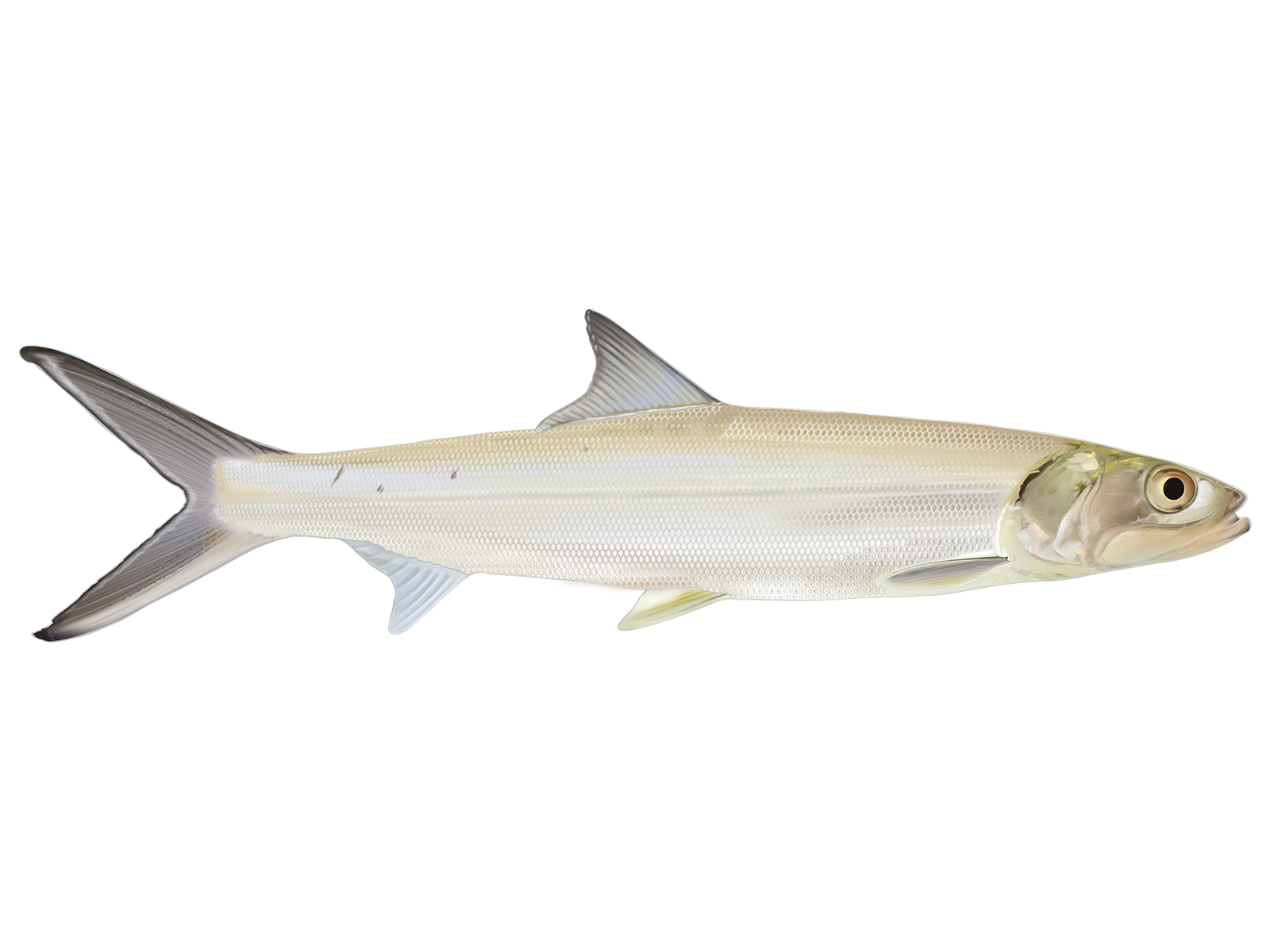 Ladyfish
 Redfish
 Sheepshead
 Spanish Mackerel
- 4-hour private charter for two anglers departing 7:30 AM
- All gear, licenses, and expert local guidance included
- Flexible cancellation policy with Charleston Harbor access
Trip Pricing and Availabilities:
Reel in Reds: Charleston's Inshore Action
Get ready to tangle with some of Charleston's feistiest inshore fighters on this half-day adventure with Captain Scott. We'll be hitting the sweet spots in Charleston Harbor, where the redfish, black drum, and bluefish love to hang out. Whether you're a seasoned angler or just getting your feet wet, this trip's got something for everyone. We're talking four solid hours of fishing, kicking off bright and early at 7:30 AM. The best part? Everything's covered - rods, reels, bait, and even your fishing license. So all you gotta do is show up ready to have a blast on the water.
What to Expect on the Water
Picture this: you're cruising through Charleston Harbor as the sun's coming up, rod in hand, and the anticipation's building. Captain Scott knows these waters like the back of his hand, so you're in for some prime fishing spots. We'll be targeting the inshore slam - redfish, black drum, and bluefish - but don't be surprised if we hook into some bonus species too. The harbor's got a mix of structures and drop-offs that hold fish, so we'll be switching up techniques to match what's biting. Expect to do some light tackle fishing, maybe some sight casting if conditions are right. And hey, if you're new to this, don't sweat it. The Captain's got you covered with all the tips and tricks you need to land a big one.
Techniques & Tackle Talk
On this trip, we're going old school with some tried-and-true inshore tactics. We'll be using a mix of live bait and artificial lures, depending on what the fish are in the mood for. You might find yourself tossing a popping cork rig for reds, or working a jig along the bottom for black drum. When the bluefish are running, we might switch to some topwater lures - nothing beats seeing a blue smash a lure on the surface. The gear's all top-notch, so you don't have to worry about bringing anything but your A-game. And if you're not sure how to work a particular lure or technique, just ask. Captain Scott's always happy to show you the ropes and get you dialed in on the fish.
Species You'll Want to Hook
Redfish are the rock stars of Charleston's inshore scene, and for good reason. These copper-colored bruisers put up a heck of a fight, often tailing in the shallows or prowling around oyster beds. They can range from "rat reds" under 20 inches to trophy "bull reds" over 40 inches. Fall and winter are prime time for big schools, but you can catch them year-round. When a red takes off on a run, you'll know why anglers can't get enough of them.
Black drum might not be as flashy as their redfish cousins, but they're a blast to catch. These striped battlers love to hang around structure and can grow to impressive sizes. The "puppies" (smaller black drum) are excellent eating, while the big ones over 30 pounds are catch-and-release trophies. They're suckers for crabs and shrimp, so we'll often use natural baits when targeting these guys. Spring and fall are peak seasons, but you can find them throughout the year.
Bluefish are the speed demons of the inshore world. These toothy critters are pure muscle and attitude, known for their blistering runs and acrobatic jumps. We typically see them in Charleston from spring through fall, with the biggest ones showing up in the cooler months. Bluefish will hit just about anything that moves, making them a great target for anglers of all skill levels. When a school of blues moves through, hang on tight - the action can be non-stop!
While we're primarily after the big three, don't be surprised if we hook into some bonus species. Sheepshead, with their distinctive black and white stripes, are structure-loving fish that put up a sneaky good fight. They're notorious bait stealers, so hooking one is always a satisfying challenge. Spanish mackerel are another possibility, especially in the warmer months. These sleek speedsters are a blast on light tackle and make for some excellent eating. And let's not forget about ladyfish - while not prized for the table, these "poor man's tarpon" are known for their acrobatic leaps and can provide some exciting catch-and-release action.
Why Anglers Keep Coming Back
There's something special about fishing Charleston's inshore waters that keeps folks coming back for more. Maybe it's the way the sun paints the harbor as we're heading out, or that heart-stopping moment when a big red slams your bait. Could be the laid-back vibe of being on the water with good company, swapping fish stories between casts. Or maybe it's just knowing that on any given day, you could hook into the fish of a lifetime. Whatever it is, this trip's got that magic mix of relaxation and excitement that makes for a perfect day on the water. Plus, with all the gear provided and the flexible booking policy, it's a hassle-free way to get your fishing fix.
Time to Book Your Spot
Alright, let's cut to the chase - if you're itching to get out on Charleston's waters and tangle with some hard-fighting inshore species, this is the trip for you. Captain Scott's got the local know-how, the hot spots dialed in, and everything you need for a successful day of fishing. Whether you're looking to bend a rod on some reds, battle a big black drum, or get your adrenaline pumping with some bluefish action, we've got you covered. And remember, with just two spots available, this is a private charter experience - no sharing the boat with strangers. So grab a buddy, book your date, and get ready for some serious inshore action. The fish are waiting, and the tide's just right - let's make it happen!
Learn more about the species
Bluefish
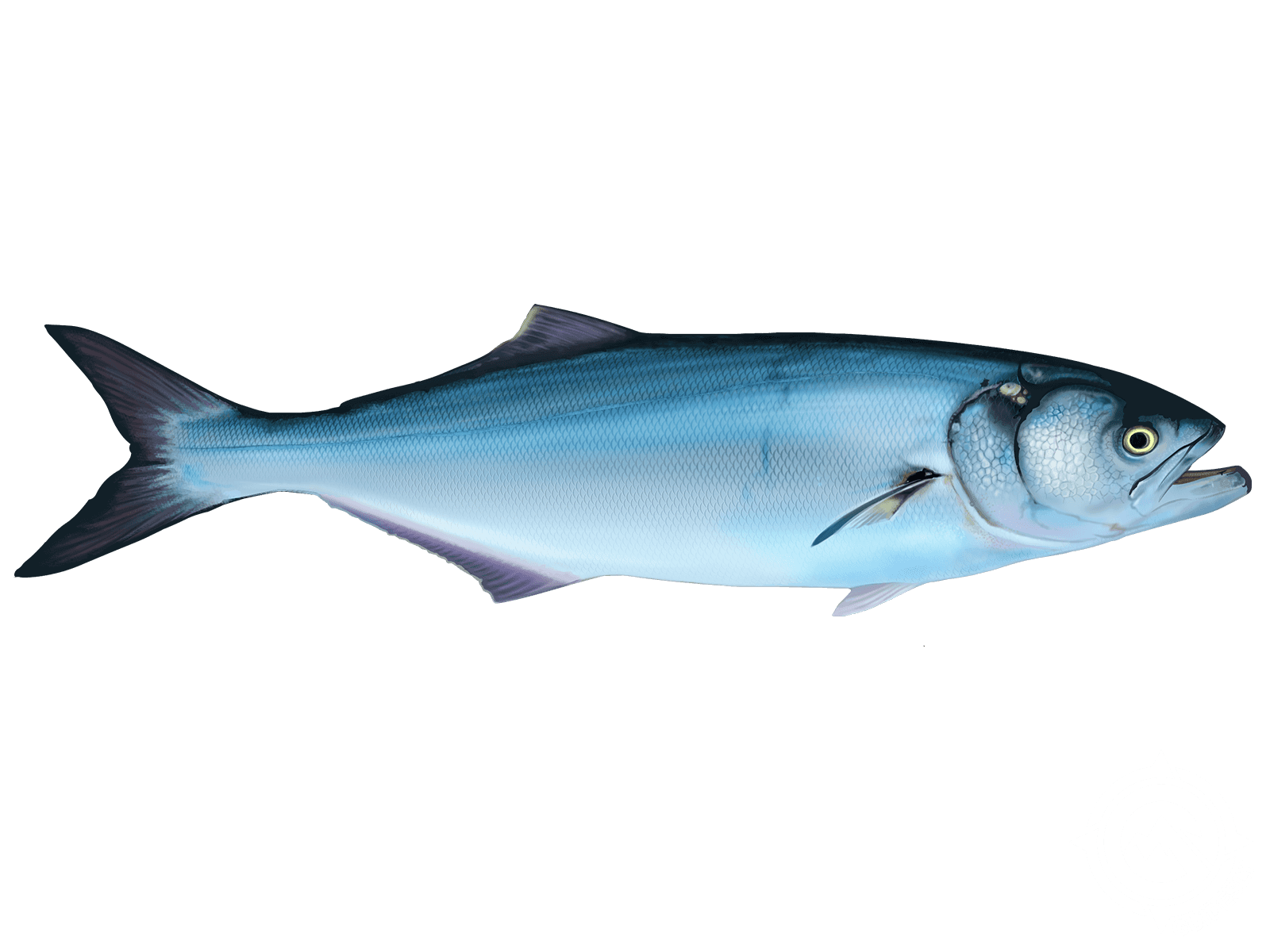
Bluefish are the bulldogs of Charleston's inshore waters. These aggressive fighters usually range from 2-10 pounds and are known for their powerful runs and sharp teeth. You'll find them chasing bait schools in the harbor and along beaches, often creating surface commotion called "blitzes." Bluefish are most active in summer and fall, especially during moving tides. Anglers love their hard-hitting strikes and the chaos when a school moves through. While not everyone's favorite for the table, smaller blues are good eating when prepared fresh. To catch them, try metal lures or topwater plugs retrieved quickly. Local tip: when blues are around, watch for diving birds and splashing on the surface - that's your cue to cast into the frenzy and hold on tight!
Ladyfish
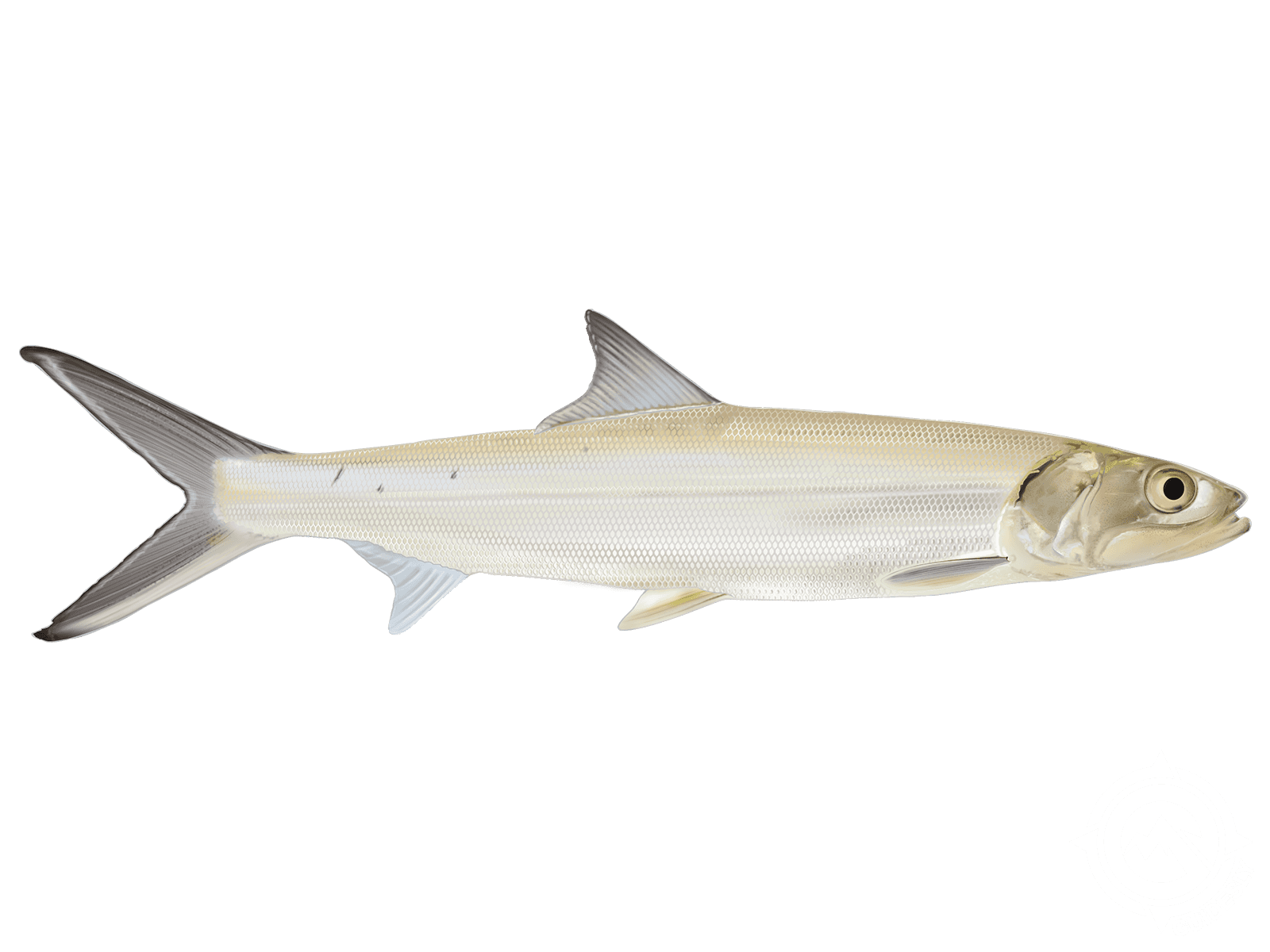
Ladyfish, or "poor man's tarpon," are a blast on light tackle. These slender, silvery fish typically run 1-3 pounds and are known for their acrobatic jumps when hooked. You'll find them in Charleston's inshore waters, often in schools around bait pods. They're most active in warmer months, especially around dawn and dusk. While not prized for eating, ladyfish offer non-stop action that's perfect for kids or anyone who loves fast-paced fishing. They'll hit just about any lure or bait, making them great practice for sharpening your skills. My go-to trick is using a small silver spoon - cast it out, let it sink a bit, then retrieve quickly. Watch for schools busting bait on the surface and get ready for some high-flying fun.
Redfish
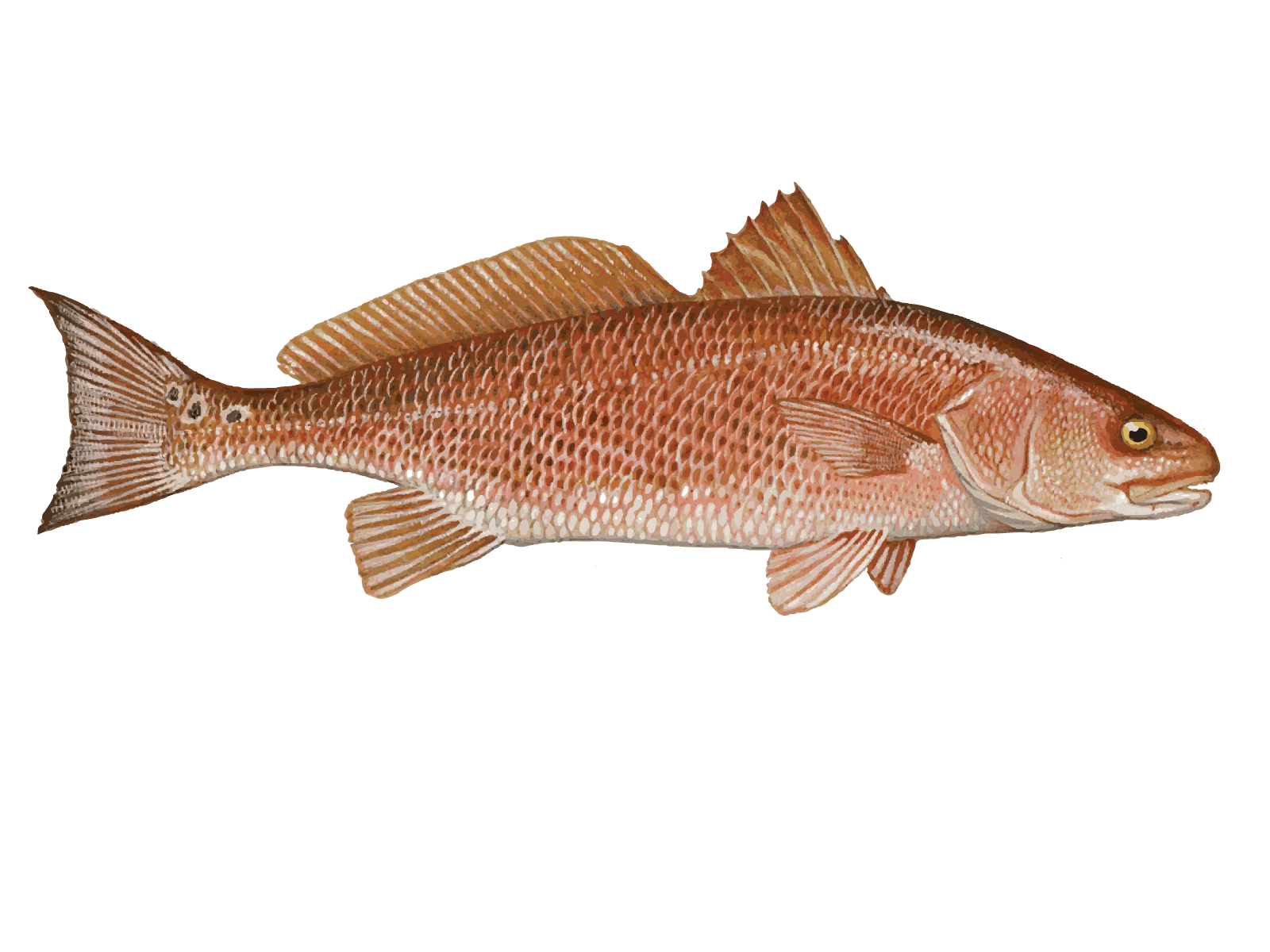
Redfish, also called red drum, are a Charleston inshore favorite. These bronze-colored fighters, known for their distinctive tail spot, usually run 3-10 pounds inshore, but can get much bigger. You'll find them in shallow water, often tailing in grass flats or hanging around oyster beds. Fall is prime time when big schools move into the shallows. Redfish put up a great fight, especially on light tackle, and they're excellent eating too. Anglers love sight-casting to tailing reds in clear water - it's like hunting with a rod and reel. For best results, try live or cut mullet on a circle hook. Local tip: on incoming tides, look for redfish pushing water along grass lines - that's your cue to cast ahead of them.
Sheepshead
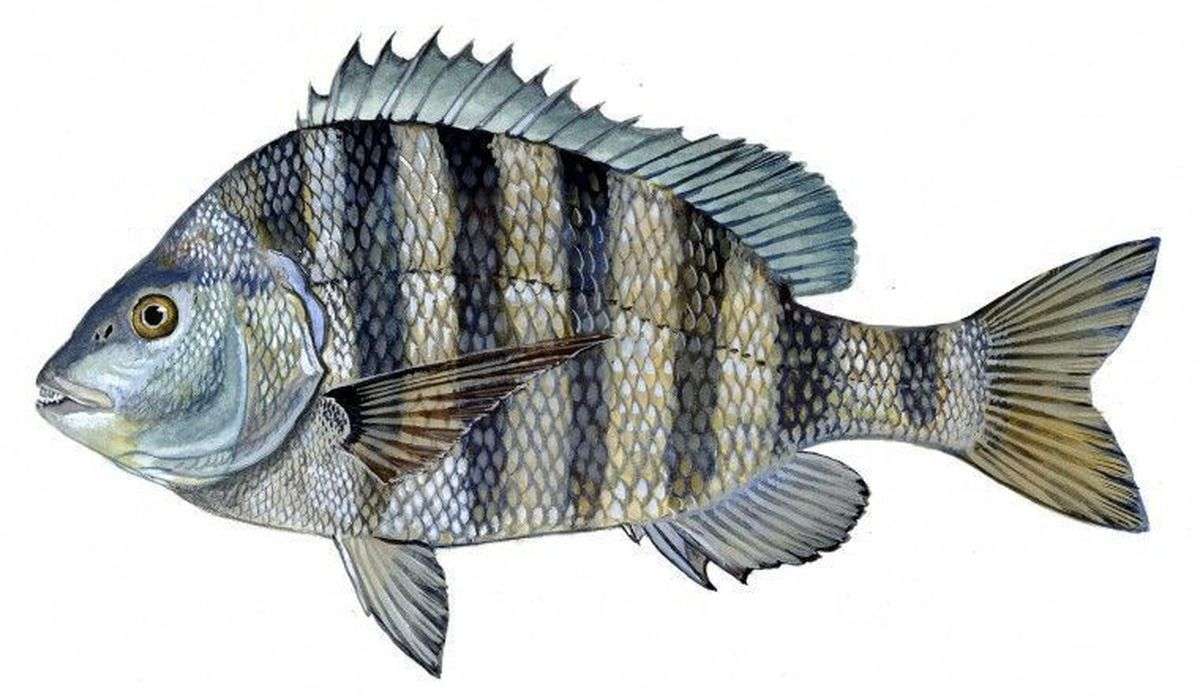
Sheepshead are a unique inshore catch, known for their distinctive black and white stripes and human-like teeth. Typically weighing 1-8 pounds, these fish love structure - you'll find them around docks, bridges, and oyster beds. They're craftier than they look, often stealing bait without getting hooked. Late winter to early spring is prime time, as they gather to spawn. Anglers enjoy the challenge of outsmarting these bait-stealers, and their white, flaky meat makes great table fare. When targeting sheepshead, use small hooks and crab or shrimp for bait. My local tip: feel for subtle bites and set the hook quickly - these guys are masters at nibbling bait off the hook without getting caught.
Spanish Mackerel
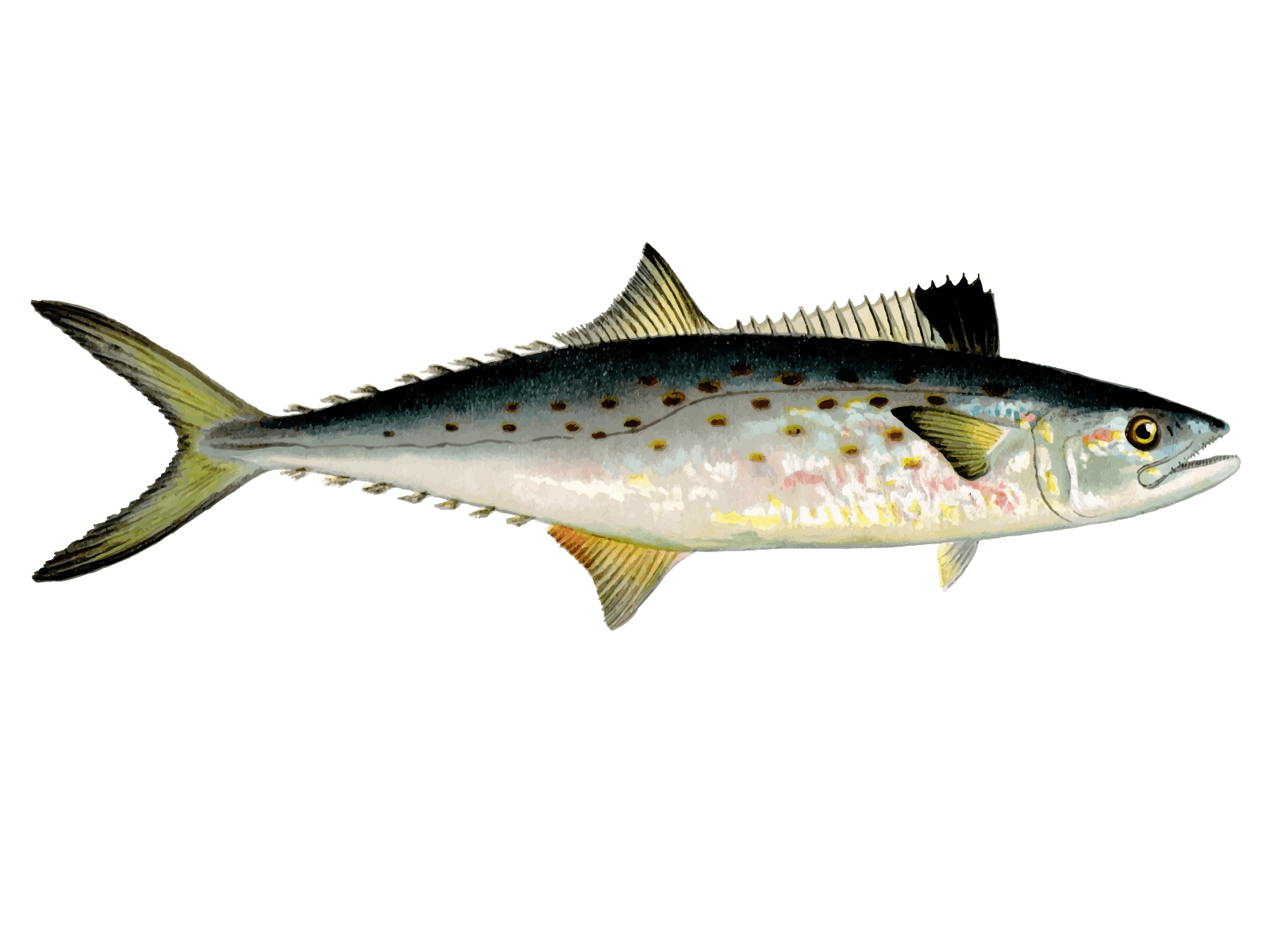
Spanish mackerel are fast-moving predators that show up in Charleston waters as they warm up in late spring. These sleek, spotted fish typically run 2-4 pounds and travel in schools, chasing bait near the surface. Look for them around inlets and just off the beaches, especially when birds are diving. They're known for their blistering runs and tasty, oily flesh that's great on the grill. Anglers love the fast action when a school moves through - it can be non-stop catching. To target Spanish macks, try trolling small spoons or casting light jigs into feeding frenzies. Local tip: use a light wire leader to prevent bite-offs from their razor-sharp teeth, and keep your bait moving - these speedsters won't chase a slow lure.
About the Charlestowne Coastal Charters
%2F%2Fusers%2Fe2bc48c6-04b1-4d16-b54f-fbb5a2cbb365%2Fvehicle_picture%2F438730489_122101969034290467_6798546049432832208_n.jpg&w=1920&q=75)
Vehicle Guest Capacity: 5
Manufacturer Name: Suzuki
Maximum Cruising Speed: 40
Number of Engines: 1
Horsepower per Engine: 115
Step aboard Captain Scott's fishing vessel for a laid-back morning on Charleston's inshore waters. This 4-hour private trip gets you out on the harbor bright and early at 7:30 AM to chase after redfish, black drum, bluefish and other local catches. Whether you're new to fishing or have years of experience, the captain tailors the outing to your skill level. With room for two anglers, it's a perfect way to spend a few hours on the water with a buddy or family member. No need to worry about gear or licenses - everything you need is provided on board. The flexible cancellation policy lets you book with confidence. Discover the productive fishing grounds right in Charleston's backyard with a knowledgeable local guide showing you the ropes and putting you on the fish.